How to Teach a Child to Rest?
Children live at an intense pace, facing a flood of stimuli, noise and digital distractions every single day. Although it may seem intuitive that relaxation comes naturally to little ones, in reality they simply need to be taught how to rest effectively. Instead of waiting until your child runs out of energy or reacts to fatigue with a burst of anger, discover proven ways to wisely calm a child's nervous system.
Why is rest important for a child?
The modern world bombards children with stimuli just as forcefully as it does adults, even though their nervous system is still developing. Without a regular reset, a child becomes overstimulated, which directly leads to problems with concentration, outbursts of anger and difficulty falling asleep.
Rest is not "wasting time" but a biological necessity that allows the brain to process the information gathered throughout the day. Regeneration is therefore the foundation of healthy emotional, mental and physical development in every child.
#Worth remembering: A child's nervous system needs conscious calming – simply switching off from school duties is not enough for the brain to truly rest.
What does proper rest give a child?
A well-rested child is simply a happier child, one who copes much better with everyday challenges. Regular, quality rest brings real benefits in every area of a little one's life:
-
Better concentration and memory. After a restart, the brain absorbs new knowledge much faster and learns more easily.
-
Emotional stability. A child who knows how to rest shows greater resilience to stress.
-
Stronger immunity. Deep, peaceful relaxation supports the immune system in fighting infections.
-
Healthy sleep. A little one who calms down during the day falls asleep in the evening without any trouble and wakes up less often during the night.
What tires a child's nervous system?
We often don't realise how many everyday, seemingly ordinary situations drastically drain our children's energy. A child's nervous system is extremely sensitive, and specific factors contribute to its overload,
|
Stress factor |
Why does it tire the nervous system? |
|
Screens (smartphones, TV, tablets) |
They emit blue light and deliver dynamic, aggressive visual stimuli. |
|
Noise and crowds |
Being in loud places (e.g. school, kindergarten) forces the brain to constantly filter sounds. |
|
Too many extracurricular activities |
A lack of time for free play and constantly living "by the clock" create hidden stress in a child. |
|
Emotional tension |
Conflicts with peers, pressure to succeed and arguments at home place a very heavy burden on the psyche. |
5 ideas for resting a child's nervous system
Rest is not just stillness – for an overstimulated brain, the key is the right change in the type of activity. Here are 5 proven ideas for deep relaxation that are worth making a permanent part of the daily routine.

Guided meditation / controlled relaxation
Simple relaxation audio stories or therapeutic tales read by a parent work brilliantly for children. During such a session, the little one learns to focus on your voice and consciously relax tense muscles. It is a wonderful way to switch off from external stimuli, especially after an intense day at school or kindergarten. Just a few minutes a day is enough to quiet racing thoughts and effectively calm the heart rate.
Contact with nature
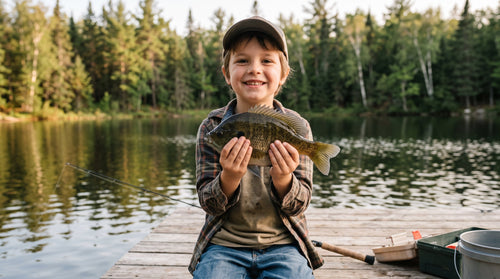
A simple walk through the forest or park instantly lowers the level of cortisol in the blood. Surrounded by greenery and natural sounds, a child's nervous system switches into a mode of deep regeneration. Allow your little one to explore their surroundings freely, without rushing and without a plan you've imposed in advance. Nature makes no demands, which is why it soothes a tired mind so wonderfully and so quickly.
Sensory exercises
Play that engages the senses in a calm, controlled way helps a child "ground" themselves and return to inner balance. This could be kneading play dough, pouring kinetic sand, a massage with a soft ball or a warm bath. Such activities shift all of the child's attention from a flood of thoughts to signals coming directly from their own body. It is an excellent tool for releasing physical tension that has built up over many hours.
Artistic activities
Singing karaoke, finger painting, colouring mandalas, modelling with clay or simple cut-and-paste crafts affect a child's brain almost like meditation. The child focuses entirely on the process of creating, on textures and colours, which allows them to forget about everyday stress. It is important, however, that these activities are not focused on a perfect end result or on outside judgement. What counts is the pure joy of creating, which gives an outlet to difficult emotions and calms inner storms.
A moment of idleness
Parents are often afraid of their children being bored, yet so-called "peace and quiet" is absolutely and unconditionally essential for little ones. Allow your child to simply lie on the rug, roll around aimlessly or slowly rearrange building blocks. Such idleness, untainted by any goal, gives the nervous system full freedom and space for natural self-regeneration. Boredom is the best catalyst for creativity and a safe buffer that protects against overstimulation.
How to teach a child to rest? – Additional tips
Learning to rest is a process in which a child needs your full support and wise guidance. Here are a few simple steps that will help you introduce healthy relaxation habits into everyday life:
-
Lead by example – Children rarely listen to what we say, but they perfectly imitate what we do – put down your phone and rest yourself.
-
Introduce regular rituals – Plan consistent "quiet zones" during the day, e.g. half an hour without screens and loud play after returning from kindergarten.
-
Create a cosy relaxation corner – Set up a spot in the room with soft cushions, a blanket and books that is associated solely with calm.
-
Talk about the body's signals – Explain to your child that tiredness and fussiness are signals to take a break, not a reason to be angry with themselves.