W skrócie: Pierwsze tygodnie września bywają dla dziecka trudniejsze niż same wakacje. Zabawki na powrót do szkoły nie mają zastąpić nauki, tylko rozładować napięcie i zbudować dobre skojarzenia z nowym rytmem dnia. Sprawdzają się naklejki motywacyjne jako domowy system nagród, karaoke na wieczorne wyluzowanie i proste zabawy sensoryczne po lekcjach. Najlepiej działa połączenie: krótka nagroda po odrobionej pracy plus czas na zabawę bez celu.
Stres pierwszaka: jak zabawa pomaga w adaptacji?
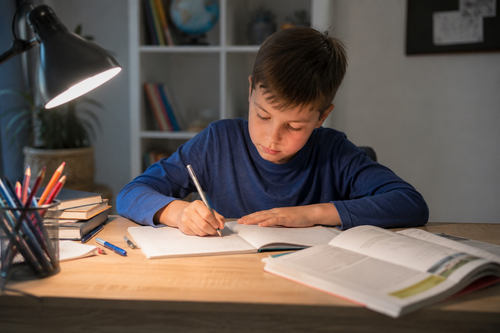
Sześciolatek albo siedmiolatek wchodzi we wrzesień z całym plecakiem nowości. Nowa sala, nauczyciel, dzwonki, obcy koledzy, siedzenie w ławce przez 45 minut. To dużo jak na jeden dzień.
Dziecko nie zawsze powie wprost, że się boi. Częściej widać to inaczej: gorszy sen, płacz nad drobiazgiem, brak apetytu rano. Zabawa jest wtedy naturalnym wentylem, bo pozwala odreagować to, czego maluch nie umie ubrać w słowa.
Chodzi o odzyskanie kontroli. W szkole dziecko robi to, co każą dorośli. W domu, przy zabawie, samo decyduje. Ta zamiana ról koi napięcie skuteczniej niż namawianie do rozmowy przy kolacji.
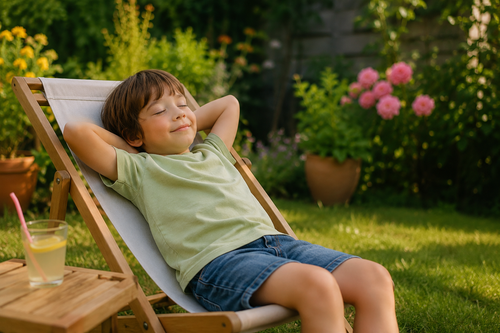
Dlatego pierwsze dni warto zaplanować tak, żeby po powrocie ze szkoły był konkretny moment tylko na luz. Bez zadań, bez pytań o oceny.
Naklejki motywacyjne jako domowy system nagród
Naklejki to najtańsze i najprościej działające narzędzie motywacyjne, jakie znam z praktyki. Małe dziecko nie myśli w kategoriach "za tydzień będzie fajnie". Potrzebuje nagrody teraz, dziś, do przyklejenia.
Zrób prostą tablicę na lodówce. Za samodzielne spakowanie plecaka jedna naklejka, za odrobioną pracę domową bez marudzenia druga. Pięć naklejek w tygodniu to wspólne wyjście na lody albo dłuższa zabawa w sobotę.
W ofercie naklejek motywacyjnych i szkolnych znajdziesz też arkusze na zeszyty z imieniem dziecka. To drobiazg, a robi robotę: pierwszak, który sam podpisze swoje zeszyty, czuje, że to jego rzeczy i jego szkoła.
Tatuaże tymczasowe działają podobnie, tylko mocniej. Dinozaur na przedramieniu w poniedziałek rano potrafi być tym, co przekona malucha, żeby chętniej wsiadł do samochodu.
| Rodzaj naklejki | Do czego | Wiek |
|---|---|---|
| Naklejki motywacyjne | Tablica nagród na lodówce | 4-8 lat |
| Naklejki na zeszyty z imieniem | Podpisanie przyborów, poczucie własności | 6-9 lat |
| Tatuaże tymczasowe | Nagroda bonusowa, poranna zachęta | 4-10 lat |
Jakie zabawy odstresowują po lekcjach?
Po szkole dziecko ma głowę pełną bodźców. Najgorsze, co można zrobić, to od progu pytać o kartkówki. Lepiej dać 30 minut na coś, co angażuje ciało albo ręce, a nie kolejny raz mózg.
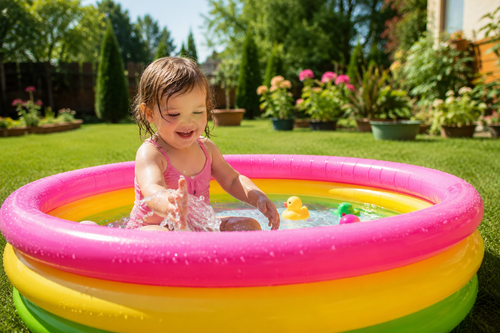
Zabawy z wodą uspokajają wyjątkowo dobrze. Aqua Sink PLAYIO, czyli zabawkowy zlewik z prawdziwą elektryczną pompką, pozwala przelewać wodę i myć plastikowe naczynka. Powtarzalny, spokojny ruch wycisza tak samo jak zabawa piaskiem czy plasteliną.
Jeśli dziecko potrzebuje się wybiegać, sprawdzą się pistolety na bańki. Model PLAYIO Jednorożec albo Dinozaur wyrzuca setki baniek w kilka sekund, więc łapanie ich to bieganie po ogrodzie bez namawiania. Energia wychodzi, a wraca spokój.
Dla fanów prędkości dobre jest auto zdalnie sterowane, na przykład F1 Turbo Drift albo OFF ROAD BEAST z efektem dymu. Skupienie na kierowaniu przełącza uwagę ze szkolnych zmartwień na tu i teraz.
Karaoke: sposób na wieczorne rozładowanie emocji
Wieczór bywa najtrudniejszą porą. Zmęczenie z całego dnia się kumuluje i wtedy przychodzą łzy albo złość o drobiazg. Śpiewanie na głos to zaskakująco skuteczny sposób na zrzucenie tego napięcia.
Głośne śpiewanie reguluje oddech i rozluźnia. Dziecko, które przez pół dnia siedziało cicho w ławce, wreszcie może być głośne bez upominania.
Zestaw Karaoke dla Dzieci Bluetooth ma dwa mikrofony i funkcję zmiany głosu. Ta zmiana głosu to strzał w dziesiątkę, bo rozśmiesza i przełamuje dąsy szybciej niż jakiekolwiek tłumaczenie. Śpiewanie razem z rodzicem albo rodzeństwem dodatkowo domyka dzień poczuciem, że jest dobrze.
Ustaw to jako stały punkt: kolacja, kąpiel, trzy piosenki, spanie. Rytuał daje dziecku przewidywalność, a przewidywalność obniża stres.
Jak zbudować pozytywne skojarzenia ze szkołą?
Motywacja dziecka do szkoły rośnie wtedy, gdy szkoła i dom przestają być przeciwieństwami. Jeśli dom to sama radość, a szkoła same obowiązki, maluch będzie ciągnął w jedną stronę.
Nagradzaj wysiłek, nie wynik. Chwal za to, że dziecko samo usiadło do zadania, nawet jeśli zrobiło je z błędami. Naklejka za starania buduje wewnętrzną motywację lepiej niż nagroda tylko za piątki.
Nie kupuj gadżetów szkolnych codziennie, bo szybko się opatrzą i stracą moc. Niech nagroda coś znaczy. Lepiej działa mniejsza rzecz raz na jakiś czas niż nowa zabawka co dzień.
Rozmawiaj o szkole przy zabawie, a nie zamiast niej. Podczas puszczania baniek czy przelewania wody w zlewiku dziecko samo z siebie wrzuca, co się działo na przerwie. To bezcenne obserwacje, których nie usłyszysz przy przesłuchaniu "jak było w szkole".
FAQ: zabawki i motywacja na start roku szkolnego
Czy nagradzanie zabawkami nie rozleniwia dziecka?
Nie, jeśli nagradzasz konkretne zachowania, a nie oceny. Naklejka za samodzielne spakowanie plecaka uczy nawyku. Kluczem jest chwalenie wysiłku i stopniowe wycofywanie nagrody, gdy nawyk się utrwali.
Jakie zabawki najlepiej odstresowują po lekcjach?
Te angażujące ciało lub ręce. Zabawy z wodą, jak Aqua Sink PLAYIO, uspokajają powtarzalnym ruchem. Pistolety na bańki dają wyładowanie energii, a auta zdalnie sterowane przełączają uwagę na skupienie.
Od jakiego wieku sprawdza się karaoke dla dziecka?
Zestaw Karaoke dla Dzieci Bluetooth działa dobrze od około 3 lat. Młodsze dzieci bawią się samym śpiewaniem i zmianą głosu, starsze uczą się tekstów piosenek i śpiewają w duecie.
Jak zbudować domowy system nagród z naklejek?
Zrób widoczną tablicę, ustal 2-3 proste zasady i przyklejaj naklejkę od razu po dobrym zachowaniu. Zbiórka określonej liczby naklejek w tygodniu zamienia się na większą wspólną nagrodę.
Co robić, gdy dziecko nie chce iść do szkoły?
Nie bagatelizuj i nie strasz. Zaplanuj po powrocie stały moment tylko na luz, dawaj drobne poranne zachęty, na przykład tatuaż tymczasowy, i buduj wieczorne rytuały, które dają poczucie bezpieczeństwa.